


The Role of Scleral Lenses in Managing Dry Eye & Ocular Surface Disease
The Role of Scleral Lenses in Managing Dry Eye & Ocular Surface Disease
Dry eye is more than occasional irritation. For many people, it can affect vision, daily comfort, and the health of the ocular surface. When the tear film is unstable or the surface of the eye becomes inflamed, symptoms can include burning, redness, watering, light sensitivity, blurry vision, and a gritty feeling that does not improve with standard eye drops.
Ocular surface disease can also make it harder to wear traditional contact lenses. Soft lenses sit directly on the cornea and may worsen dryness for some patients, especially when tears evaporate quickly or the eye surface is irregular. This is where scleral lenses can play an important role.
What Are Scleral Lenses?
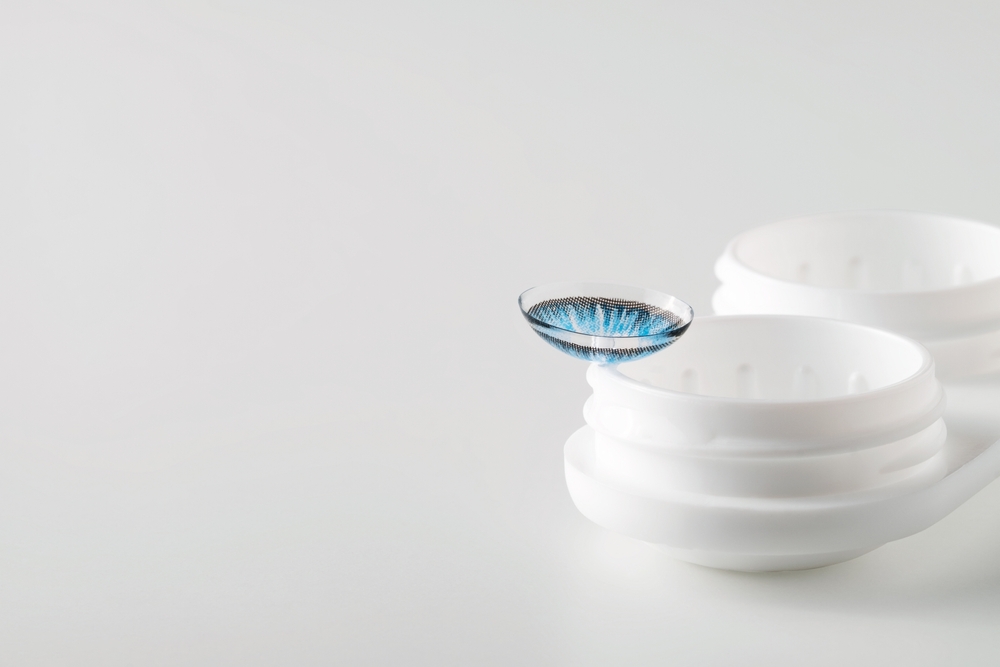
Scleral lenses are specialty contact lenses designed to vault over the cornea and rest on the white part of the eye, called the sclera. Unlike standard soft contacts, scleral lenses create a fluid-filled reservoir between the lens and the cornea. This layer of preservative-free saline helps keep the front surface of the eye hydrated throughout the day.
Because they do not sit directly on the cornea, scleral lenses can be a helpful option for patients with moderate to severe dry eye, corneal irregularities, or ongoing ocular surface discomfort.
How Scleral Lenses Help With Dry Eye
Scleral lenses can help protect the ocular surface while providing clear, stable vision. The fluid reservoir acts like a cushion for the eye, reducing friction from blinking and helping maintain hydration. This can be especially beneficial for patients whose symptoms do not respond well to artificial tears alone.
Scleral lenses may help patients who experience:
- Chronic dry eye symptoms
- Ocular surface disease
- Keratoconus or irregular corneas
- Dryness after LASIK or other eye surgery
- Contact lens intolerance
- Fluctuating or blurry vision from tear film instability
For the right patient, scleral lenses can improve both comfort and visual quality by creating a smoother optical surface.
Why a Custom Fit Matters
Scleral lenses are not one-size-fits-all. A detailed contact lens evaluation is needed to measure the eye’s shape, assess the tear film, and determine whether scleral lenses are appropriate. The lens must vault the cornea properly, rest comfortably on the sclera, and provide enough space for the fluid reservoir without causing pressure or irritation.
A precise fit is especially important for patients with dry eye or ocular surface disease because comfort, oxygen flow, and long-term eye health all depend on the lens design. Follow-up visits may be needed to fine-tune the fit and make sure the lenses are supporting the eyes as intended.
Scleral Lenses As Part Of A Bigger Dry Eye Plan
While scleral lenses can provide meaningful relief, they are often most effective when used as part of a complete dry eye treatment plan. Dry eye can have many causes, including meibomian gland dysfunction, inflammation, allergies, screen use, medications, autoimmune conditions, and environmental factors.
A comprehensive eye exam can help identify what is contributing to symptoms and guide the right treatment approach. For some patients, scleral lenses may be combined with other therapies to support better tear quality, reduce inflammation, and protect the ocular surface over time.
Is It Time To Consider Scleral Lenses?
If you have ongoing dry eye symptoms, trouble wearing regular contact lenses, or blurry vision that changes throughout the day, scleral lenses may be worth discussing during your next eye exam. They can be especially helpful when dryness affects both comfort and clarity.
Schedule a comprehensive eye exam with Generations Family Eyecare in Houston, TX by calling (281) 925-7576.


MAP
© 2025 Generations Family Eyecare. All Rights Reserved. Accessibility Statement - Privacy Policy - Sitemap
Powered by: 