


The Impact of Tear Film Quality on Contact Lens Comfort & Vision Stability
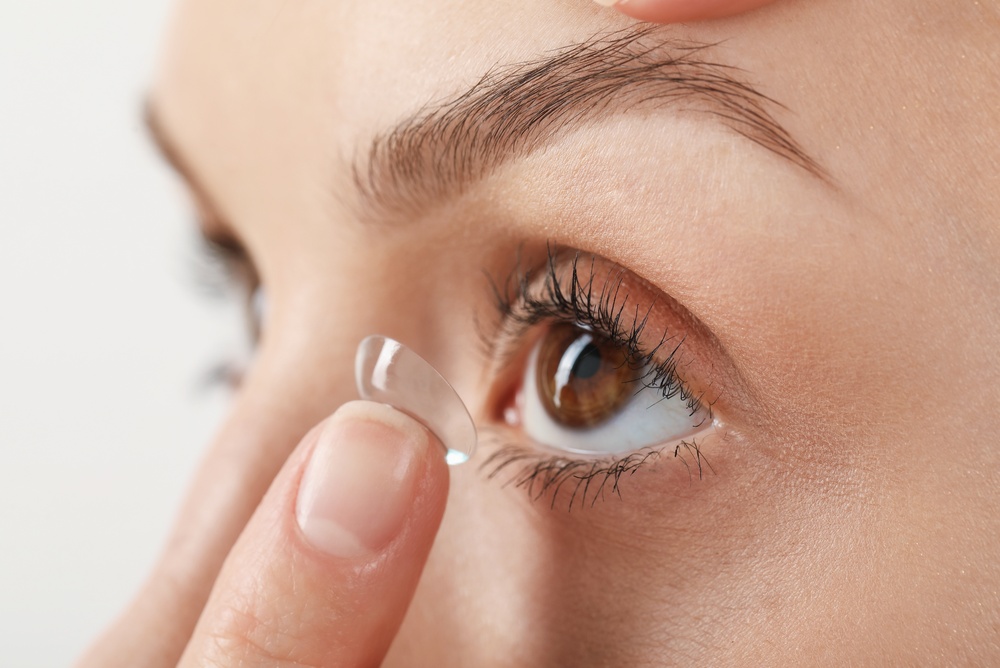
Contact lenses should feel comfortable and provide clear vision throughout the day. When the tear film is not stable, lenses can start to feel dry, vision may fluctuate, and wear time can become frustrating. A healthy tear film helps keep the front surface of the eye smooth, supports comfort, and improves how contact lenses perform.
Why Tear Film Quality Matters
Your tear film is a thin layer that covers the surface of the eye. It includes oily, watery, and mucus-based components that work together to keep the eyes lubricated and protect the ocular surface. When any part of that system is not working well, tears can evaporate too quickly or fail to spread evenly. That can affect both contact lens comfort and vision stability.
How Contact Lenses Interact With Tears
A contact lens sits directly on the tear film, so lens performance depends heavily on tear quality. If the tear film breaks up too quickly, the lens surface may dry out, become less wettable, and create blurry or inconsistent vision. This is one reason some people notice that their vision is clear after blinking, then becomes hazy again a short time later.
Common Signs of Tear Film Problems
If tear film quality is affecting your contact lenses, you may notice symptoms like:
- Dryness later in the day
- Fluctuating or blurry vision between blinks
- Burning, irritation, or a gritty feeling
- Reduced contact lens wear time
- Excess tearing that happens along with dryness
These symptoms are common in dry eye disease and can be especially noticeable in contact lens wearers.
What Can Make Tear Film Quality Worse
Several factors can reduce tear film stability. Meibomian gland dysfunction, incomplete blinking, screen time, low humidity, air flow, and existing dry eye can all play a role. Contact lens wear itself can also contribute to dryness in some patients, especially when the ocular surface is already stressed.
Why a Contact Lens Exam Can Help
When contact lenses are not feeling right, changing the prescription is not always the full answer. We may need to evaluate tear quality, the health of the ocular surface, blink patterns, and how your lenses are fitting. In some cases, improving lens comfort may involve changing the lens material, replacement schedule, care products, or treating underlying dry eye. A thorough contact lens exam helps us identify the cause instead of only managing the symptoms.
Long-Term Comfort Starts With Healthy Eyes
Comfortable contact lens wear depends on more than the lens itself. Stable tears help support clear vision, better lens performance, and healthier eyes overall. When dryness, fluctuating vision, or irritation starts interfering with daily wear, it is worth taking a closer look at tear film quality before the problem gets worse.
Contact Generations Family Eyecare in Houston, TX by calling (281) 925-7576 to schedule an exam and find the right solution for more comfortable, stable contact lens wear.


MAP
© 2025 Generations Family Eyecare. All Rights Reserved. Accessibility Statement - Privacy Policy - Sitemap
Powered by: 