


Helping Kids Build Safe, Consistent Contact Lens Habits
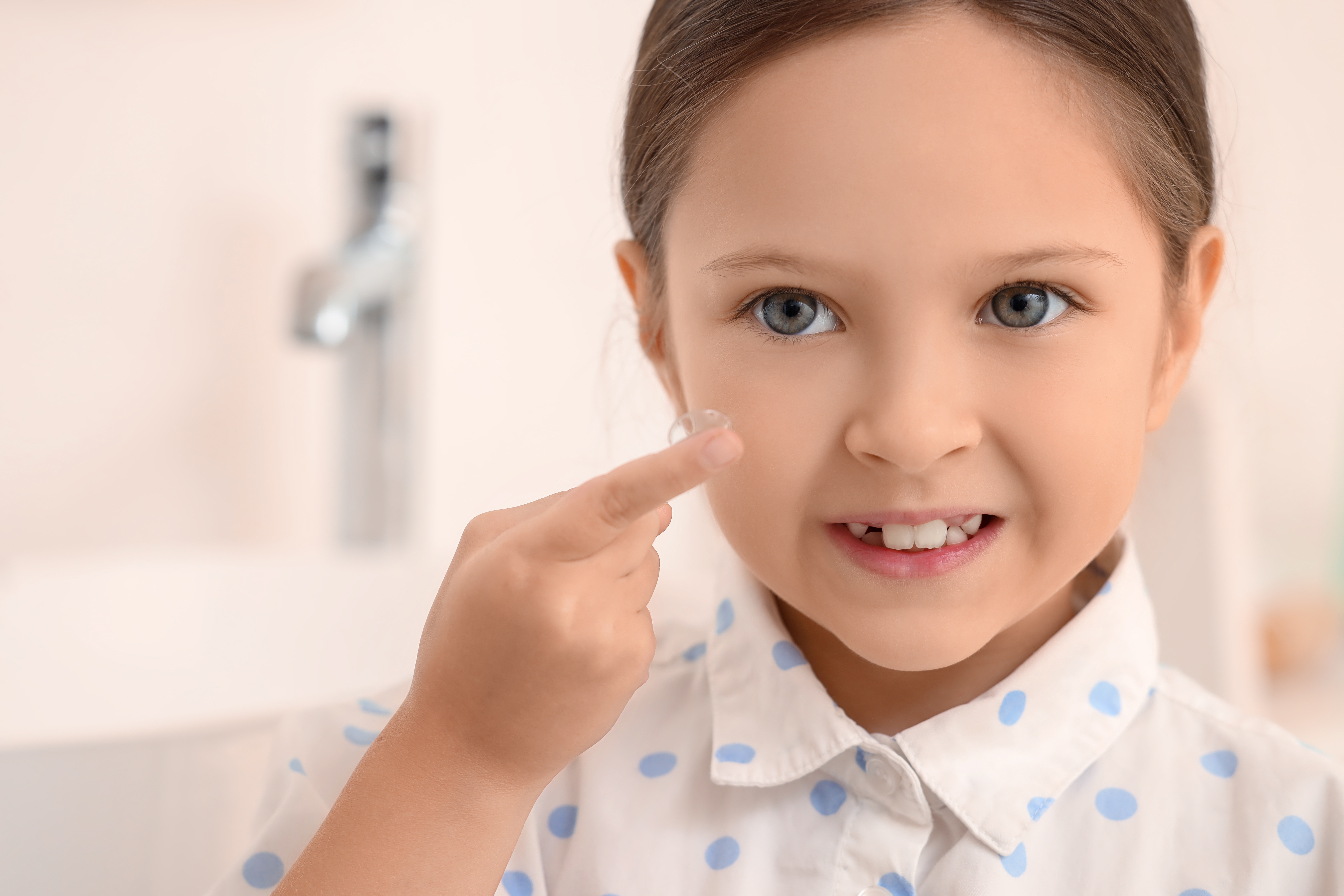
Contact lenses can give children and teens more freedom for school, sports, activities, and everyday life. Successful contact lens wear, however, depends on more than having the right prescription. Kids also need to develop consistent habits that protect their eyes and keep their lenses comfortable.
At Generations Family Eyecare in Houston, we provide contact lens exams and fittings based on each patient's prescription, eye shape, age, lifestyle, and eye health. Parents can also play an important role in helping young contact lens wearers build a safe routine from the beginning.
Is Your Child Ready for Contact Lenses?
There is no single age when every child becomes ready for contacts. Responsibility matters just as much as age.
A child should be able to follow instructions, wash their hands consistently, insert and remove lenses properly, and speak up when something does not feel right. Younger wearers may need more parental supervision until these steps become automatic.
A contact lens exam also allows us to determine whether your child's prescription, tear film, corneal shape, and overall eye health are appropriate for lens wear.
Build a Consistent Daily Routine
Keeping contact lens care connected to familiar morning and evening habits can make it easier for kids to remember each step.
Important habits include:
Wash and completely dry hands before touching lenses
Follow the prescribed replacement schedule
Never share contact lenses with another person
Remove lenses before swimming or showering
Keep backup glasses available
Remove lenses if they cause significant pain, redness, or irritation
Daily disposable lenses can simplify care for some Houston families because a fresh pair is used each day and discarded after removal. Reusable lenses require additional cleaning, disinfecting, and storage according to the specific care instructions provided.
Keep Contact Lenses Away From Water
Water exposure is an important contact lens safety issue. Kids should not swim, shower, or use a hot tub while wearing contacts because microorganisms in water can become trapped between the lens and the eye.
Reusable lenses should also never be rinsed or stored in tap water.
For children who participate in swimming or water sports, prescription goggles or glasses may be a better option while in the water. Contacts can be inserted afterward with freshly washed and dried hands.
Do Not Let Kids Sleep in Daytime Contacts
Children and teens should not sleep in standard daytime contact lenses unless the lenses have specifically been prescribed for overnight wear.
This includes naps. Sleeping in lenses that are not intended for overnight use can increase the risk of eye infection.
If your child regularly falls asleep during car rides, after school, or while traveling, encourage them to remove their contacts first and use backup glasses when needed.
Teach Kids to Recognize Warning Signs
Contact lenses should not cause significant pain. Children need to understand that pushing through discomfort is not part of becoming a successful contact lens wearer.
If a lens starts burning, stinging, or causing noticeable redness, it should be removed. Persistent pain, discharge, strong light sensitivity, or sudden blurry vision should be evaluated promptly.
Do not simply insert another lens when symptoms are continuing. An eye doctor should determine whether the eye is healthy enough to resume contact lens wear.
Why Follow-Up Exams Still Matter
A child's prescription, tear film, and eye health can change over time. Regular contact lens evaluations allow us to check how the lenses fit, how clearly your child sees, and whether the corneas remain healthy.
Tell us if lenses become uncomfortable later in the day, vision starts fluctuating, or your child is struggling with insertion, removal, or the replacement routine. Small changes in lens design or care habits can sometimes make a meaningful difference.
If your child is ready to explore contact lenses or needs a fitting check, contact Generations Family Eyecare at 22438 Tomball Parkway, Houston, TX 77070 by calling (281) 925-7576 to schedule a contact lens exam.


MAP
© 2026 Generations Family Eyecare. All Rights Reserved. Accessibility Statement - Privacy Policy - Sitemap
Powered by: 