


Age-Specific Myopia Management: When To Start & When To Transition Strategies
Age-Specific Myopia Management: When To Start & When To Transition Strategies
Myopia, also known as nearsightedness, often begins in childhood and can progress as the eyes continue to grow. While glasses or standard contact lenses help a child see clearly, they do not slow the underlying progression of myopia. That is where myopia management becomes important.
At Generations Family Eyecare, we help families understand when to start treatment, how to monitor changes, and when it may be time to adjust the strategy. The right approach can depend on a child’s age, prescription, lifestyle, maturity, and rate of progression.
When Should Myopia Management Start?
Myopia management is often most effective when started early. If a child is becoming more nearsighted each year, beginning treatment sooner may help slow progression before the prescription becomes higher.
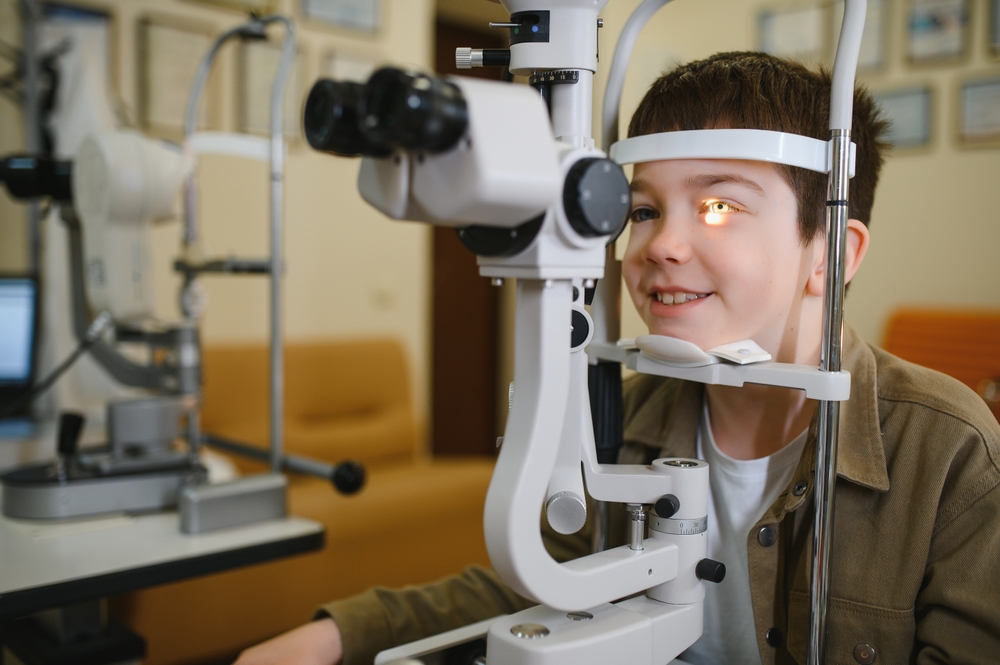
A comprehensive eye exam is the first step. During the visit, the eye doctor evaluates the child’s prescription, eye health, focusing ability, and other risk factors. Family history, screen habits, reading time, and outdoor activity can also play a role in determining whether a child is a good candidate for myopia control.
For younger children, the goal is not only clearer vision but also long-term eye health. Higher levels of myopia later in life can increase the risk of certain eye conditions, so early monitoring matters.
Myopia Management Options For Younger Children
For younger children, treatment should be simple, safe, and realistic for the family’s routine. Atropine drops are often a helpful option because they are easy to use and do not require a child to handle contact lenses.
Low-dose atropine drops are typically used at bedtime and are designed to help slow myopia progression. Children still need glasses or contact lenses for clear daytime vision, but atropine can be a strong option for patients who are not ready for specialty contact lenses.
Common reasons atropine drops may be recommended include:
- A child is too young for contact lenses
- Myopia is progressing quickly
- Parents want a non-contact lens option
- The child already wears glasses comfortably
- The doctor wants to combine clear vision correction with progression control
When MiSight Lenses May Be A Good Fit
As children get older and become more responsible, MiSight 1 day lenses may be considered. These daily disposable soft contact lenses are designed specifically for myopia management and can help correct vision while also slowing progression.
MiSight lenses are often a good fit for children who are active in sports, prefer not to wear glasses during the day, or are mature enough to follow contact lens hygiene instructions. Because they are replaced daily, they can also be convenient for busy families.
The transition to MiSight lenses is not based on age alone. The eye doctor will consider the child’s comfort level, prescription, eye health, motivation, and ability to safely insert and remove lenses.
When To Transition Strategies
Myopia management is not a one-time decision. A child’s treatment plan may need to change as they grow. If the prescription continues to increase, if lifestyle needs change, or if a child becomes ready for contact lenses, the doctor may recommend transitioning from one strategy to another.
For example, a younger child may begin with atropine drops and later move into MiSight lenses. In other cases, atropine may remain part of the plan while other vision correction options are adjusted. Regular follow-up visits help track progress and make sure the treatment is still appropriate.
Personalized Care For Growing Eyes
Every child’s eyes develop differently, which is why age-specific myopia management should be customized. The best treatment plan is one that supports clear vision, fits the child’s daily routine, and helps reduce the risk of faster myopia progression.
Help your child stay ahead of nearsightedness and schedule a pediatric eye exam with Generations Family Eyecare in Houston, TX, by calling (281) 925-7576.


MAP
© 2025 Generations Family Eyecare. All Rights Reserved. Accessibility Statement - Privacy Policy - Sitemap
Powered by: 